
Interest in traditional Southeast Asian wellbeing practices is rising worldwide. Travellers now seek rituals that feel rooted and intentional – living traditions shaped by place, climate, and cultural continuity, not passing trends.
In Hoi An, Vietnamese herbal steam, known as Xông Hơi, remains a lasting expression of indigenous wellbeing. At Lumina Spa & Wellbeing within Namia River Retreat, the ritual flows naturally into the retreat’s wellness-inclusive rhythm. Rather than a standalone treatment, herbal steam serves as a quiet preparatory practice, supporting clarity, balance, and gentle renewal as part of daily life.
What Is Vietnamese Herbal Steam?
Vietnamese herbal steam is a traditional therapy that uses warm steam infused with fresh Vietnamese herbs. The heat gently warms the body, supports circulation, and encourages slow, relaxed breathing.
At Namia River Retreat, herbal steam is based on Southern Vietnamese herbology and prepared in two distinct formulations: one focused on physical grounding and the other on mental clarity. These blends are designed in collaboration with a local herbalist and tailored to each guest through personalised consultation.

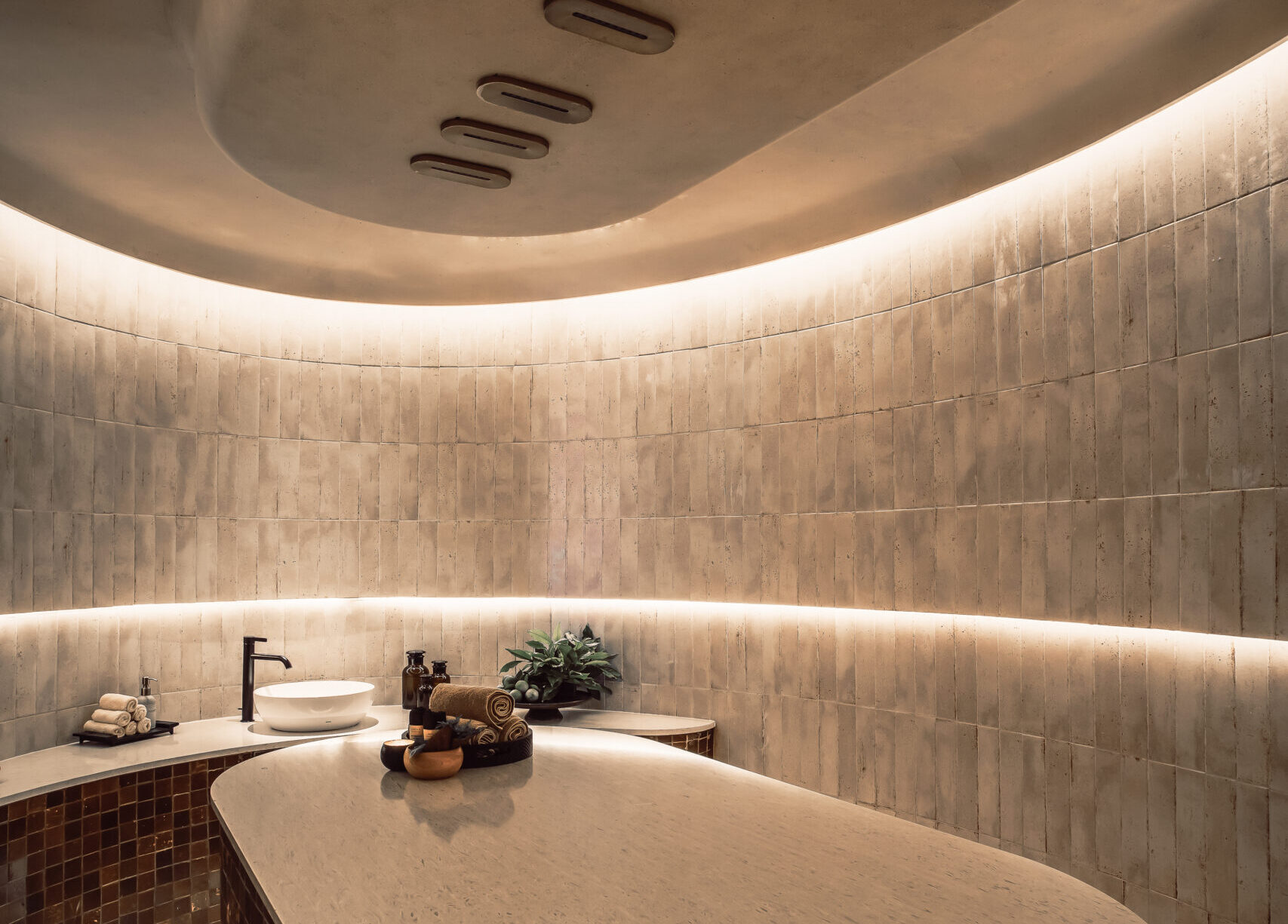
The ritual takes place in a contemporary setting that integrates Herbal Hammam and Vichy Shower elements. Steam is maintained at a gentle temperature – approximately 36 – 38°C with soft humidity – creating a breathable, restorative environment that eases muscular tension and opens the respiratory pathways. A light Vichy rinse follows, refreshing the body and rebalancing the senses.
Rather than intensity, Vietnamese herbal steam prioritises balance. Its purpose is not to cleanse aggressively, but to relax, circulate, and restore – through warmth, breath, and rest.
Origins & Cultural Meaning
Xông Hơi – literally meaning “steam bathing” – is a long-standing practice in Southern Vietnam, passed down through generations. It is traditionally prepared by boiling medicinal herbs such as lemongrass, basil, pomelo peel, or ginger altogether in a large pot. The person receiving treatment would sit under a blanket with the pot beneath, allowing the steam to warm the body deeply and encourage sweating. This was meant to help “drive out” wind (phong), cold (hàn), and residual illness from the body.
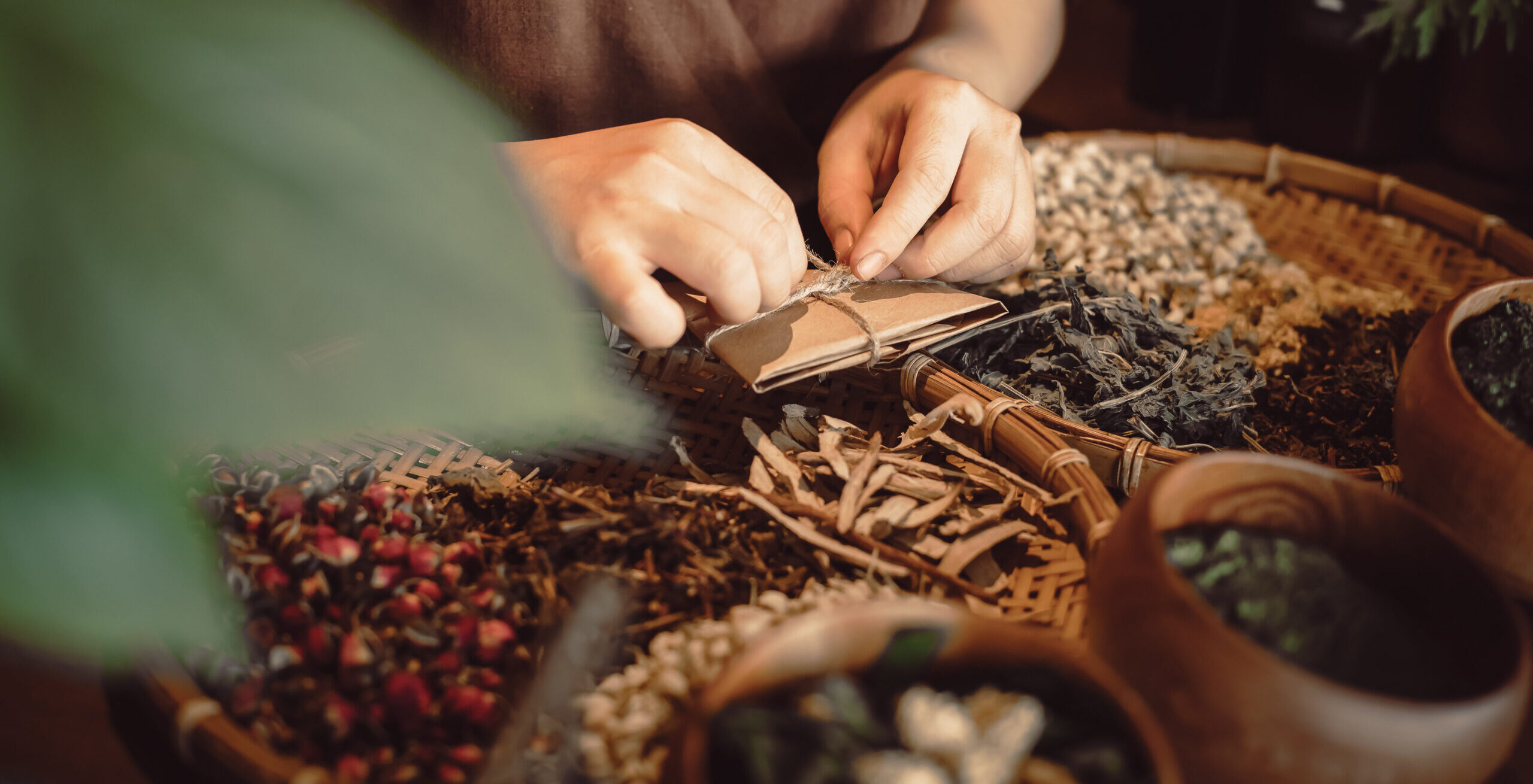
Culturally, xông hơi is closely associated with care and recovery. It is commonly prepared for women for childbirth, for family members with flu symptoms, or anyone returning home after a long trip or physical exhaustion. The ritual represents both physical healing and emotional nurturing – a quiet act of looking after one another.
In Vietnam, herbal steam (xông hơi) is an early-response practice within herbology (thuốc nam), using locally available plants selected by season and bodily condition. It eases colds, aches, and fatigue and remains a routine household practice nationwide. Sessions are brief (about 10 – 20 minutes) and adapted to the climate – more warming in cooler months, lighter in heat. Beyond a simple remedy, xông hơi reflects an indigenous ethic of rhythm and community shared knowledge, woven into daily life and passed down informally across generations.
How Vietnamese Herbal Steam Differs from a Turkish Hammam
While both Vietnamese xông hơi and the Turkish hammam use steam as a form of purification and relaxation, they come from very different cultural philosophies, settings, and intentions.
Vietnamese herbal steam is rooted in fresh local herbs and plant-based aromas. As previously mentioned, the steam is infused with fresh medicinal plants such as lemongrass, perilla leaf, pomelo peel, basil, and ginger, chosen for their warming and cleansing properties.
In contrast, the Turkish hammam originates from Roman bathhouse culture, and originally, it had evolved into a highly social, architectural bathing ritual. Hammams are built around large marble chambers with dry heat and controlled steam. Rather than herbal therapy, the emphasis is on deep cleansing through water, soap, exfoliation, and massage.
In essence, Vietnamese herbal steam is a private, plant-based practice focused on internal restoration, while the Turkish hammam is a communal bathing tradition centred on physical cleansing
A Local Expression of Herbal Steam in Hoi An
At Namia River Retreat, many of the herbs used in the steam ritual are grown in the resort’s own garden or sourced from nearby communities. Each plant is chosen for its traditional role and sensory quality, rather than clinical claims.
Notable herbs include:
- Sả (Lemongrass): Known for clarity and purification, with a fresh aroma that also acts as a natural mosquito repellent
- Lá lốt (Piper lolot leaf): Traditionally used to warm the body and support circulation
- Ngải cứu (Mugwort): Associated with restoring vitality and awakening energy
- Hương thảo (Rosemary): Adds a grounding, familiar aromatic note
- Bồ ngót, khúc khắc (Sweet leaf, Smilax glabra): Common in Vietnamese folk practices
Together, these herbs create a sensory experience that feels distinctly local – earthy, clean, and quietly restorative. The focus remains on presence and continuity, not outcomes.
The Herbal Steam Ritual at Lumina Spa & Wellbeing (Namia River Retreat)
At Lumina Spa & Wellbeing, the Herbal Hammam Steam is part of Namia’s Daily Wellness Journeys and is offered complimentary to all in-house guests, available once per day per person. Booking is required before arrival at the spa, and guests are advised to stay well hydrated before their session to ensure a comfortable and safe experience.
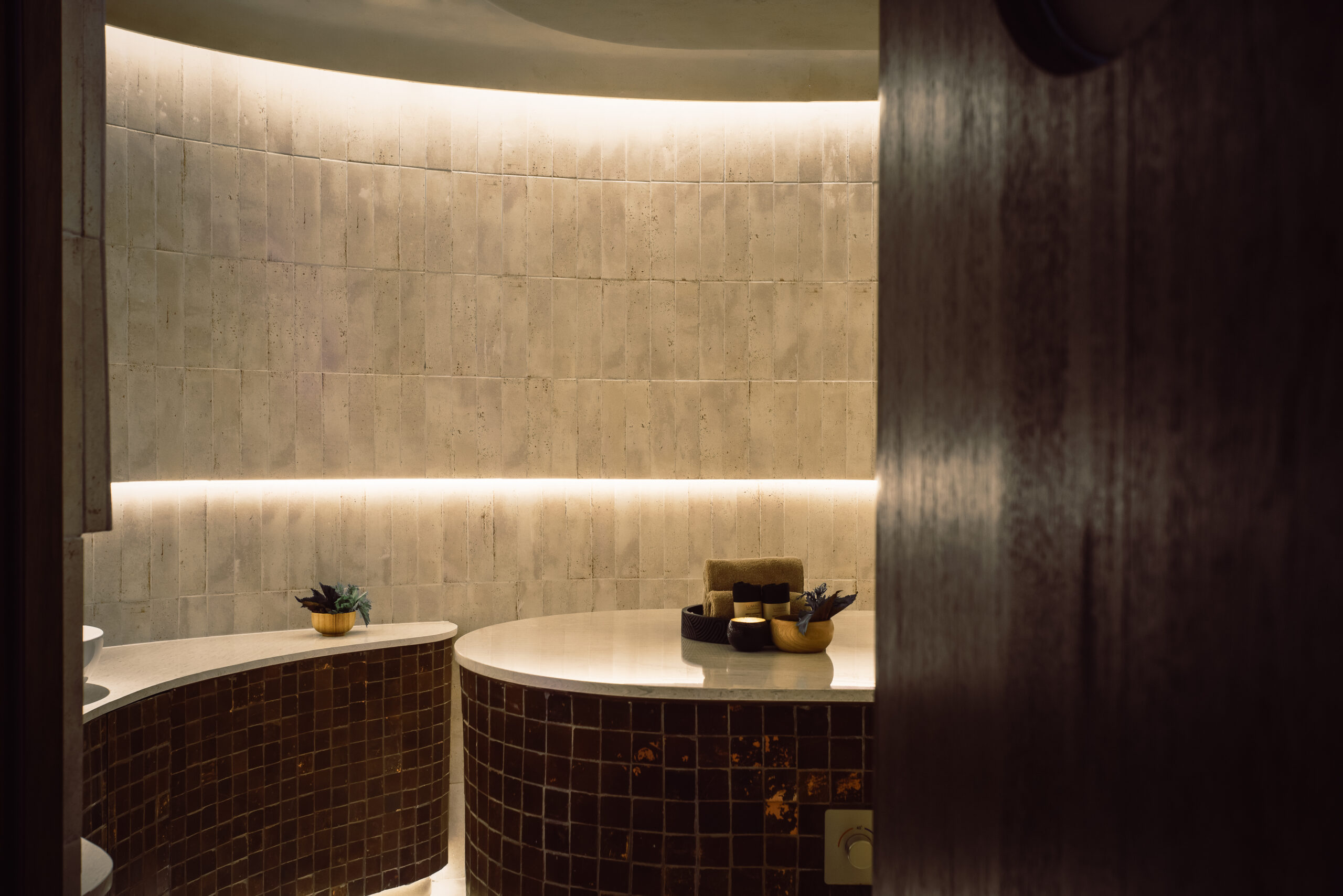
The Apothecary
Each experience begins at The Apothecary, where guests receive a personalised herbal recommendation following a brief wellbeing consultation. Herbs are prepared by Namia River Retreat’s resident herbalist using plants grown on-site and sourced from trusted local growers. This space functions as a living herbal library – a place of selection, preparation, and quiet guidance.
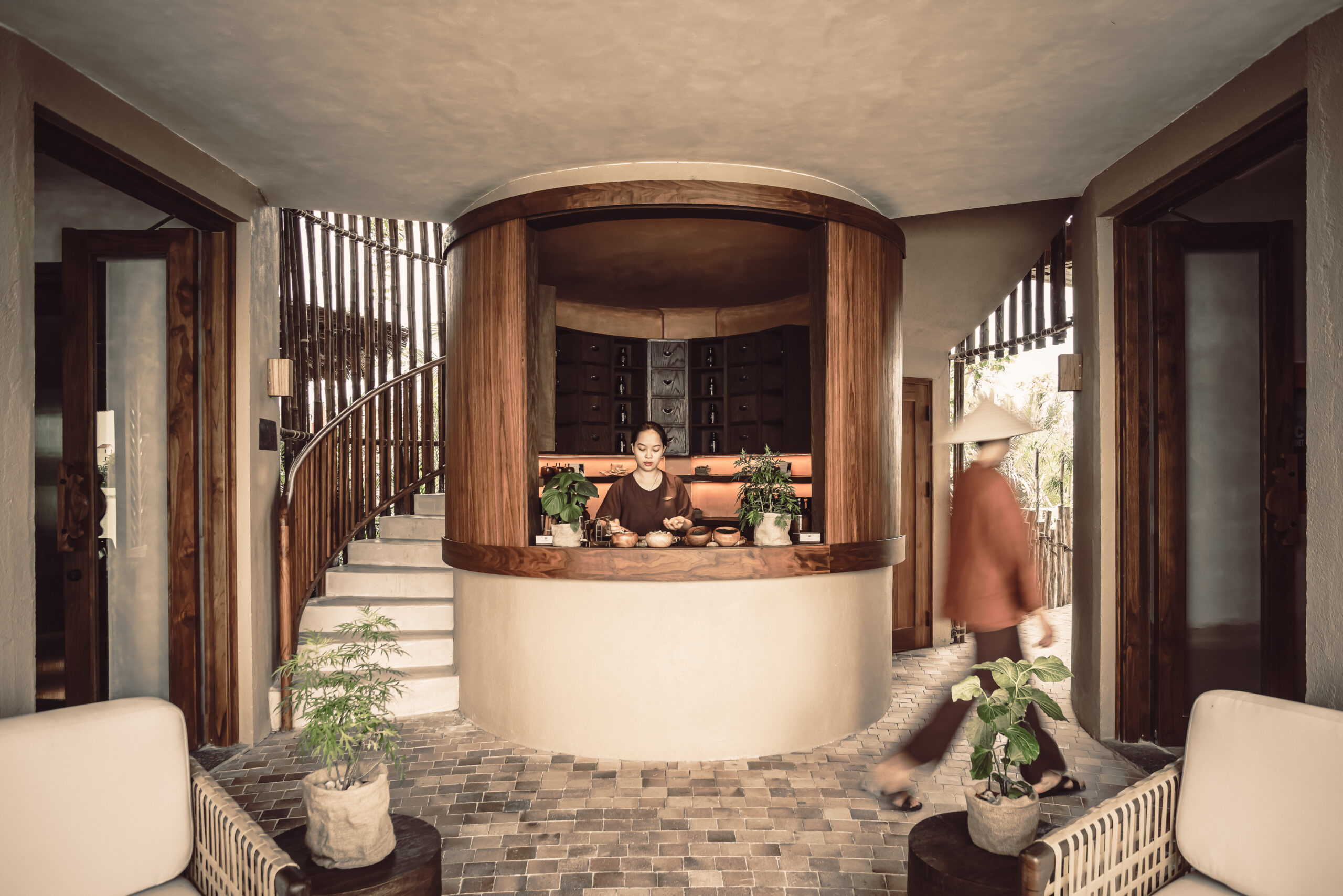
Private Herbal Steam Chambers
Lumina Spa features eight private, solo-use hammam rooms, ensuring complete privacy and a maximum of eight guests at any one time.
- Steam temperature: 36 – 38°C with gentle humidity
- Heated stone bed: 35 – 37°C, supporting full-body relaxation
- Integrated Vichy shower for light cleansing
The environment feels enclosed yet breathable, encouraging slow breathing and physical ease without strain.
The Vietnamese Hammam Layer
Inspired by traditional hammam rituals, this layer reinterprets the concept through Vietnamese herbology and material language.
The ritual combines:
- Herbal steam
- Herbal exfoliation
- Herbal body wrap
Rather than a cleansing focus, steam is used as a sensory and preparatory step, helping release stored tension and allowing the body to receive subsequent therapy more fully. The experience is individual, ritual-focused, and grounded in three core elements: earth, aroma, and water.
Accompanying Rituals
Hydration is integral to the process.
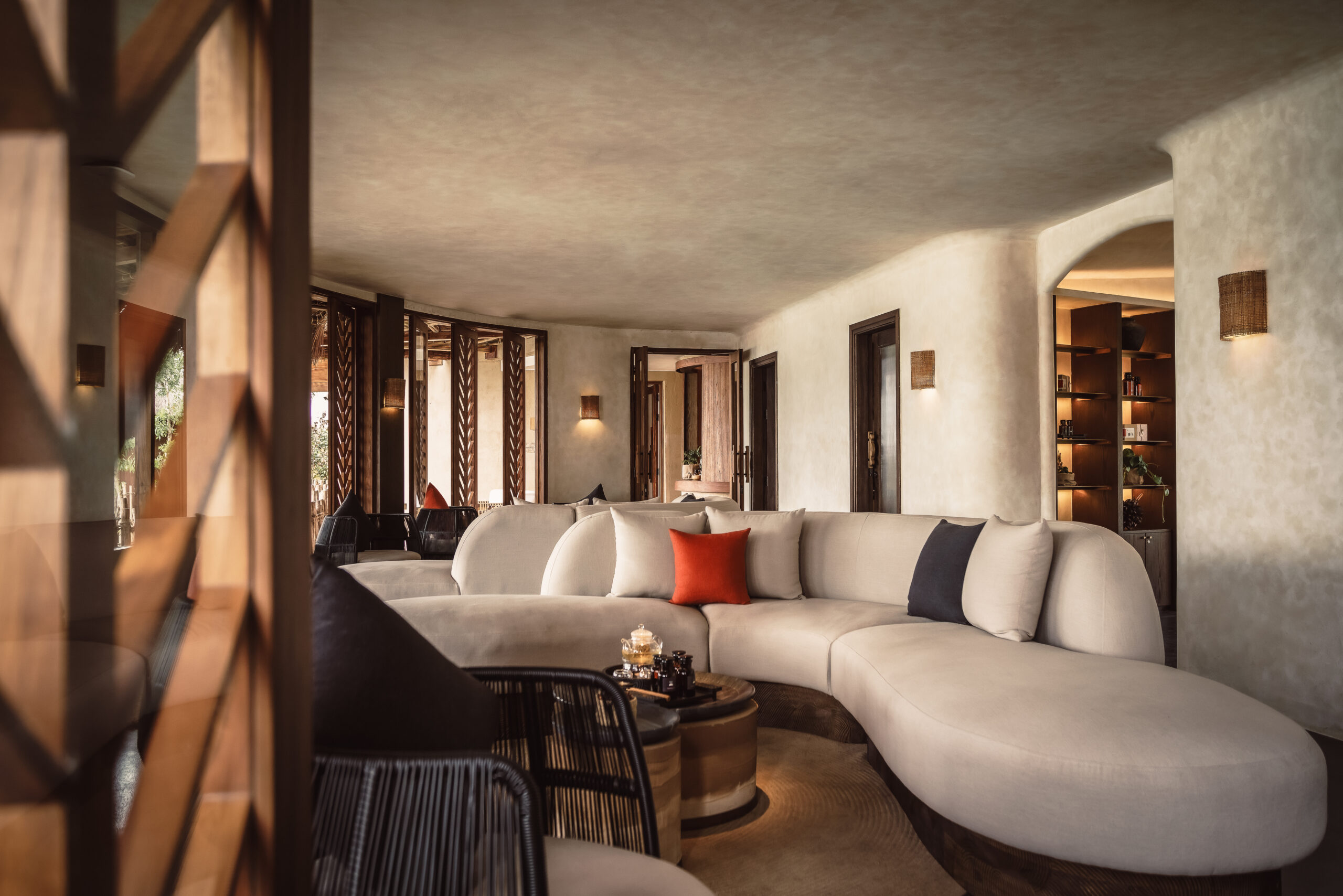
Throughout Lumina Spa, custom-designed water stations offer three options:
- Mineral water (Calcium & Magnesium)
- RO water
- Alkaline water
Following spa therapy, the herbalist prepares personalised in-room rituals – either a herbal bath blend or calming herbal tea – to be enjoyed later in the evening. These quiet continuations allow the ritual to extend beyond the spa space.
A Gentle Guide for First-Time Guests at Namia River Retreat
For guests new to Vietnamese herbal steam, the experience is designed to feel clear and supported from the beginning.
- Reserve your wellness ritual in advance to ensure availability.
- Eat lightly and stay hydrated before arrival.
- For stays of fewer than three nights, guests complete an online health consultation form before arrival. A wellness host provides a brief orientation to help select the most suitable daily program.
- For stays of three nights or more, guests complete a full holistic assessment before arrival. Upon reaching Lumina Spa, the wellness host reviews the results and offers a personalised consultation.
- Visit The Apothecary to receive your customised herbal blend.
- Enter a 30-minute Herbal Hammam, infused with your selected herbs, or choose the Communal Sauna & Cool Plunge.
- Rest quietly after the hammam and sip mineralised water to support integration.
- Continue with a targeted massage to release tension and deepen relaxation.
- Conclude with herbal tea, allowing the body to settle and cool naturally.
Each step is designed to flow gently, without pressure or performance.
Where Herbal Steam Meets Everyday Wellbeing
At Namia River Retreat, herbal steam is not an isolated experience. It forms part of a broader rhythm where wellbeing is woven into daily life.
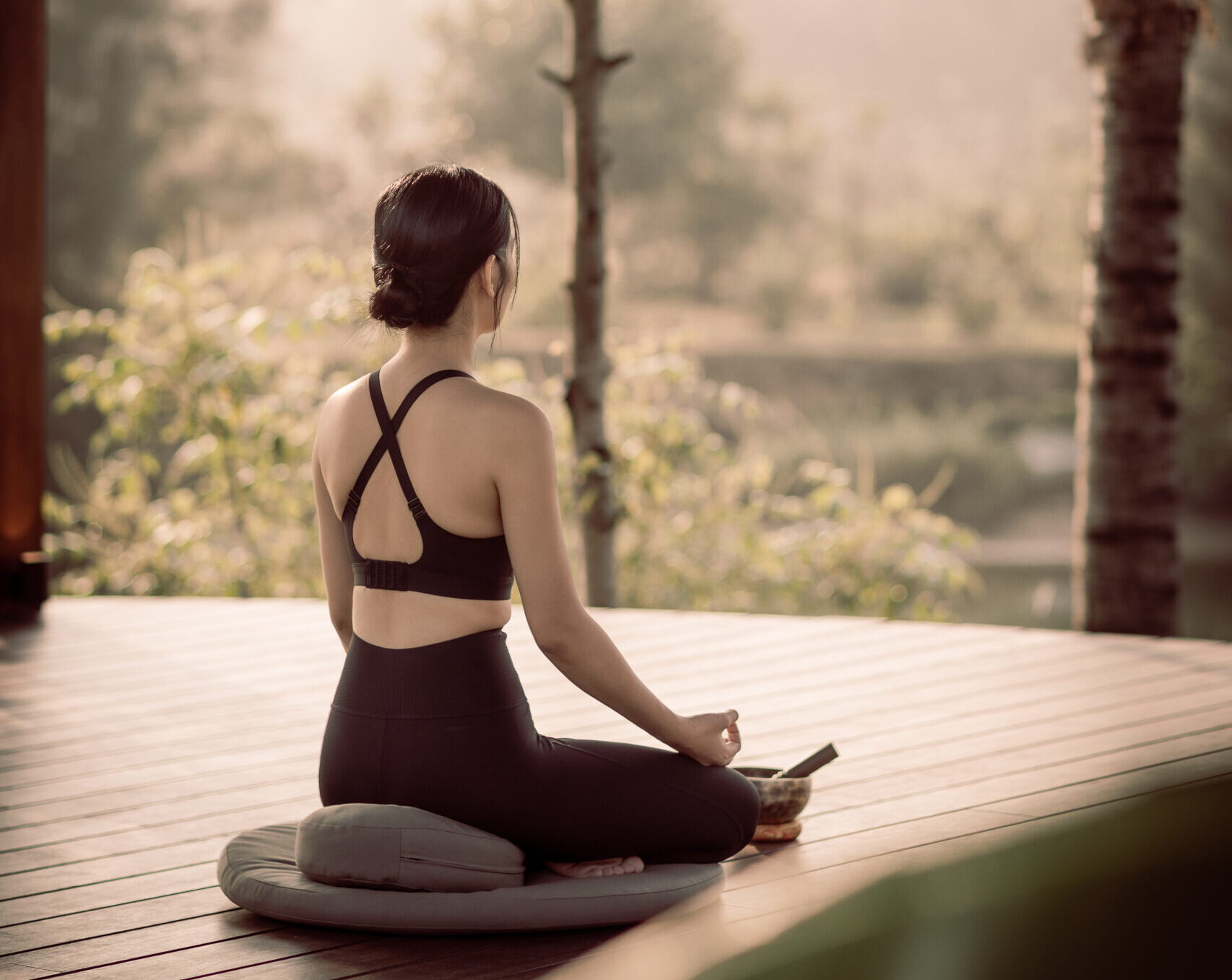
Steam becomes the first sensory welcome, followed by:
- Therapies: Acupressure, Vietnamese massage, Diện Chẩn
- Movement: Yang Yoga, Partner Yoga, Yin Yoga, Sleep Yoga, Dưỡng Sinh (Vietnamese Tai Chi), Silent Walking Meditation
- Rituals: Blessing Tree, Lantern Ceremony
- Cuisine: Mindful Vietnamese dishes inspired by sustainability and herbology at The Merchant and The Fisherman
View the full living calendar here: https://namiariverretreat.com/experiences/
Meals incorporate herbs grown on-site, reinforcing the connection between nourishment and wellbeing. Within this river sanctuary in Hoi An, Vietnamese herbal steam reflects its indigenous roots – a practice shaped by climate, plants, and cultural continuity. Practised thoughtfully, Vietnamese herbal steam becomes a way of listening to the body rather than correcting it.
At Namia River Retreat, this tradition is honoured through privacy, craft, and design – allowing guests to experience an indigenous wellbeing ritual in a way that feels both timeless and relevant.
地址:越南会安市东坊会安市陈仁同街232号
电话:+84 (0) 235 3533 777
邮箱:hello@namiariverretreat.com